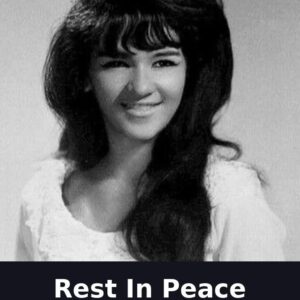
Farrah Fawcett didn’t just belong to the 1970s — she defined them. Before celebrity culture became nonstop headlines, she was the face on bedroom walls across America, the golden-haired star who made glamour feel wholesome and effortless. On Charlie’s Angels, her bright confidence felt both aspirational and real. When illness later touched her life, the contrast was heartbreaking, yet she faced it with humor and visible courage.
By the time reality TV and social media reshaped fame, Farrah was already an American icon. Her role as Jill Munroe, the legendary red swimsuit poster, and her feathered hair made her one of the most photographed women in the world. When she died in 2009 at 62 after battling cancer, tributes poured in globally. Her red-suit image had become more than pop culture — it symbolized an era.
Few knew how grounded her early life was. Raised in a devout Catholic home, she once briefly considered becoming a nun, drawn to the simplicity of convent life. Yet she also felt the pull of independence and ambition. In school she was voted “Most Beautiful” three years straight, though she often felt shy about the attention.

Her first breakthrough came from the famous red swimsuit poster, which sold millions and became one of the defining visuals of the decade. Despite her glamorous image, her beauty routine was simple, and her “Farrah flip” hairstyle became a worldwide trend.
Farrah later pursued serious acting, determined to be more than a TV symbol, earning critical praise on stage and screen. In her final years, she revealed another side — resilient, private, and deeply human — leaving behind a legacy of beauty, strength, and courage.