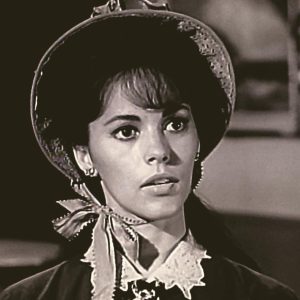
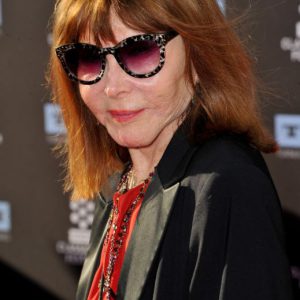
Hollywood in the 1950s was glamorous but unforgiving, a world where powerful studios often controlled the fate of rising stars. Among the era’s brightest talents was actress Lee Grant — admired for her beauty, elegance, and powerful screen presence. In the early 1950s, Grant was considered one of Hollywood’s most stunning women. Her film debut in Detective Story (1951), starring Kirk Douglas, earned her an Academy Award nomination for Best Supporting Actress and the Best Actress Award at the Cannes Film Festival.
Critics praised her, audiences loved her, and success seemed certain. Then, everything changed. At the height of her rise, Grant was suddenly blacklisted, leaving many shocked and confused. Rumors circulated — some believed she had clashed with powerful studio figures, while others pointed to Hollywood’s strict control over actors’ personal lives.
Reports later revealed that her outspoken remarks during a 1951 memorial for actor J. Edward Bromberg, criticizing the pressure of the House Un-American Activities Committee, contributed to her career being stalled. For the next 12 years, work nearly disappeared. During Hollywood’s Golden Age, studios held immense power, and many talented actors saw their careers collapse for defying the system. Grant became one of those casualties.
Although she later returned in projects like Valley of the Dolls, Columbo, Shampoo, and Mulholland Drive — eventually winning an Academy Award — her early momentum was never fully restored. Today, Lee Grant’s story remains a powerful reminder of Hollywood’s darker side, where talent alone was not always enough to survive.