Warm summer weather brings people outdoors—but it also brings an increase in biting insects. Along with mosquitoes and ticks, another pest is gaining attention in parts of the United States: the assassin bug. While many people have never heard of it, its growing presence and potential health risks make awareness important. Assassin bugs, often called kissing bugs, feed on the blood of humans and animals. What makes them especially concerning is not just the bite itself, but what can happen afterward.
These insects often defecate near the bite, and their feces may carry parasites that can enter the body through broken skin or mucous membranes. This can lead to Chagas disease, a serious and sometimes life-threatening infection. Early symptoms of Chagas disease may include fever, headaches, fatigue, rashes, or vomiting—though some people show no symptoms at all.
Without treatment, the infection can silently damage vital organs over time, particularly the heart, leading to severe complications years later. Assassin bugs are found across much of the U.S., especially in southern regions. They typically live outdoors in woodpiles, gardens, debris, or under porches, but can enter homes through cracks or cluttered areas.
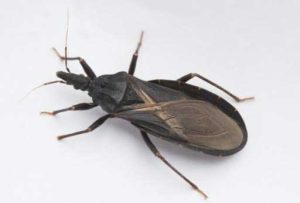
Reducing hiding places, sealing gaps, and keeping sleeping areas clean can help prevent encounters. If you suspect an assassin bug bite, seek medical care promptly. Early testing and treatment greatly improve outcomes. With basic prevention and awareness, you can enjoy summer while protecting your health and safety.