On the surface, she appeared to be an ordinary child — shy smile, neat hair, nothing to suggest the darkness that would later define her life. That child was Myra Hindley, a name forever tied to one of the most disturbing chapters in British criminal history. Born in 1942 in Gorton, Manchester, Hindley grew up in a cramped, working-class home shaped by hardship. Her father, who served abroad during and after World War II, reportedly struggled with depression and alcoholism, while domestic violence cast a shadow over the household.
At times she lived with her grandmother, escaping some turmoil but never fully free from instability. Psychologists later examined her childhood, noting early exposure to violence, though many children of that era endured similar struggles without turning to crime. As a teenager, a close friend’s tragic drowning deeply affected her. She appeared outwardly ordinary — working as a clerk, attending dances, and socializing — yet hints of a harder personality were sometimes noted.
Her life changed after meeting Ian Brady at work. Their intense relationship soon darkened, and by the early 1960s they committed a series of murders known as the Moors Murders, targeting young victims and shocking the United Kingdom. Their arrest in 1965 horrified the nation, and Hindley’s cold courtroom image became infamous.
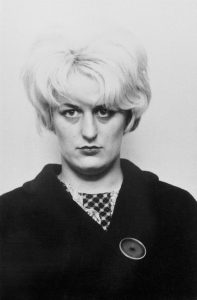
Both received life sentences. Hindley remained imprisoned until her death in 2002, repeatedly denied parole. Decades later, the crimes of Hindley and Brady continue to haunt British society, a chilling reminder of how ordinary beginnings can sometimes lead to unimaginable darkness.